The Portrait Gallery of Health

In February 2008 the Salvation Army Medical Fellowship, Switzerland, together with Paul and Margaret, explored the theme: Health, History and Faith.  The weekend included a virtual tour of ‘The Portrait Gallery of Health’. There were three galleries.


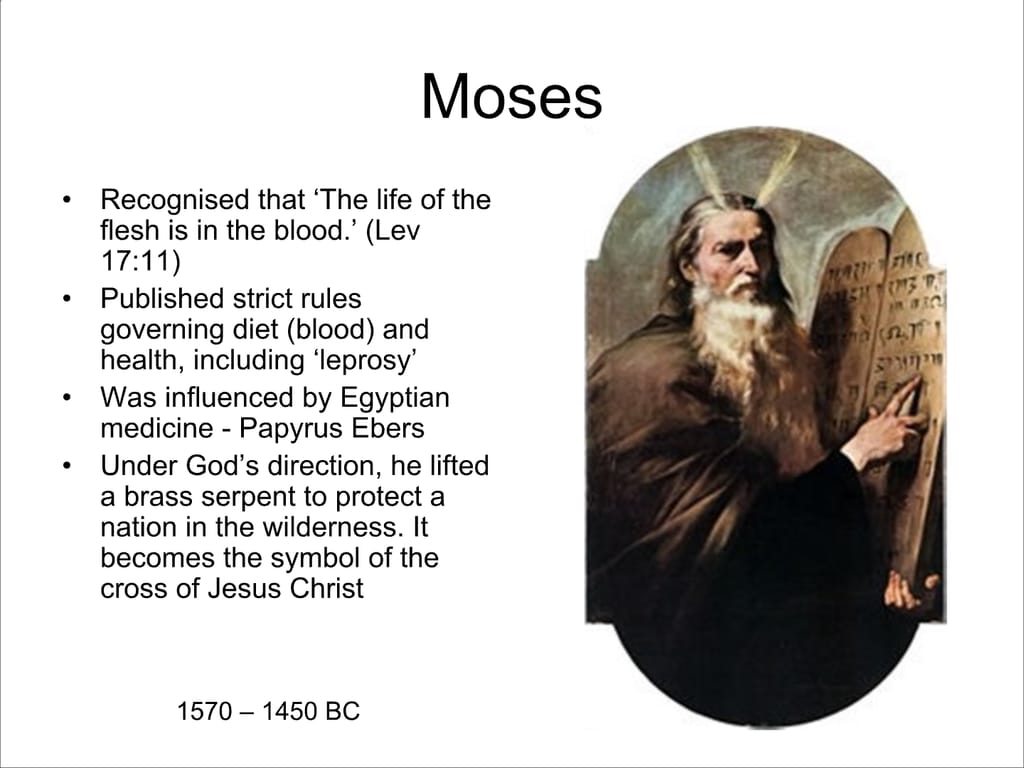
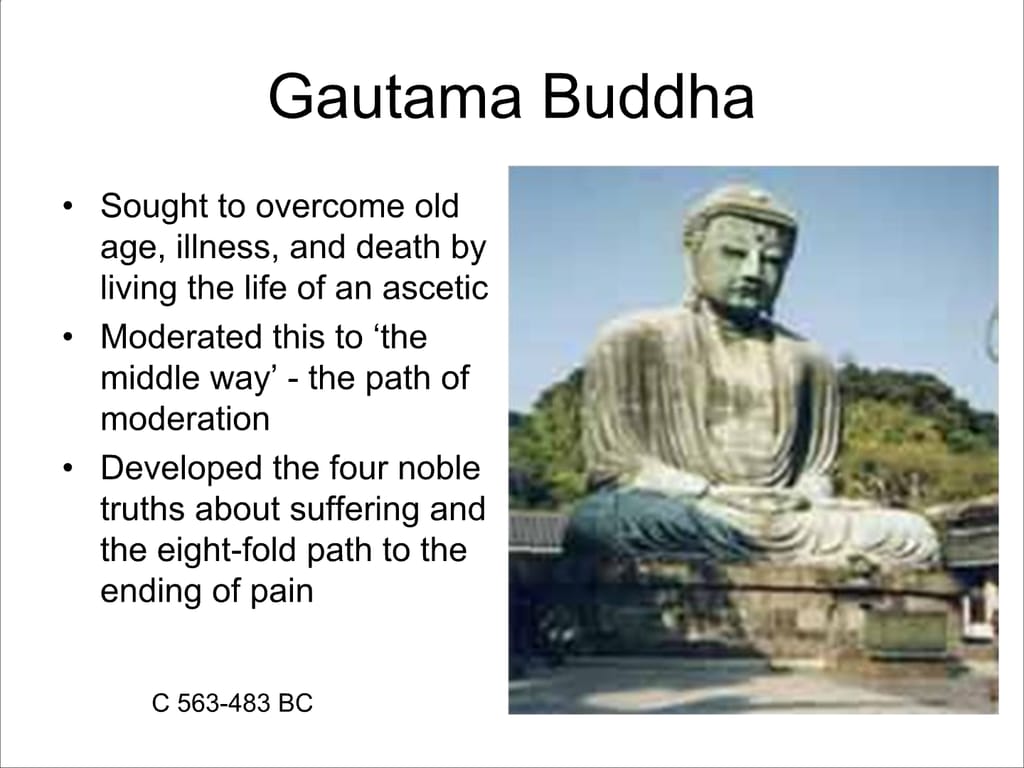
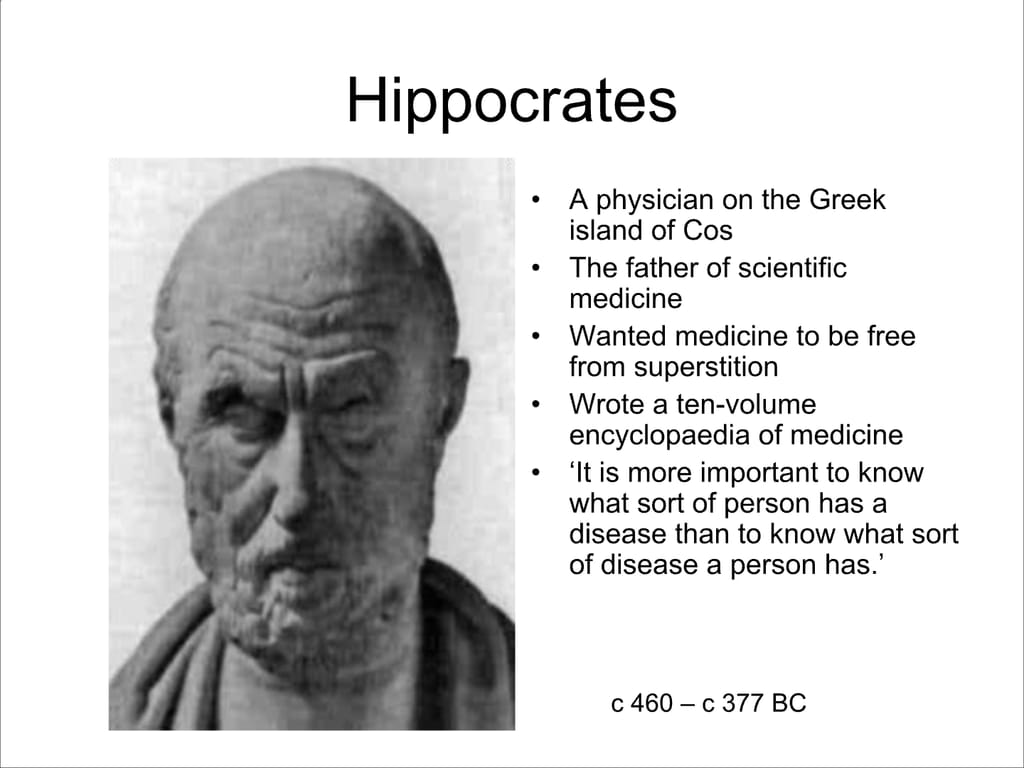
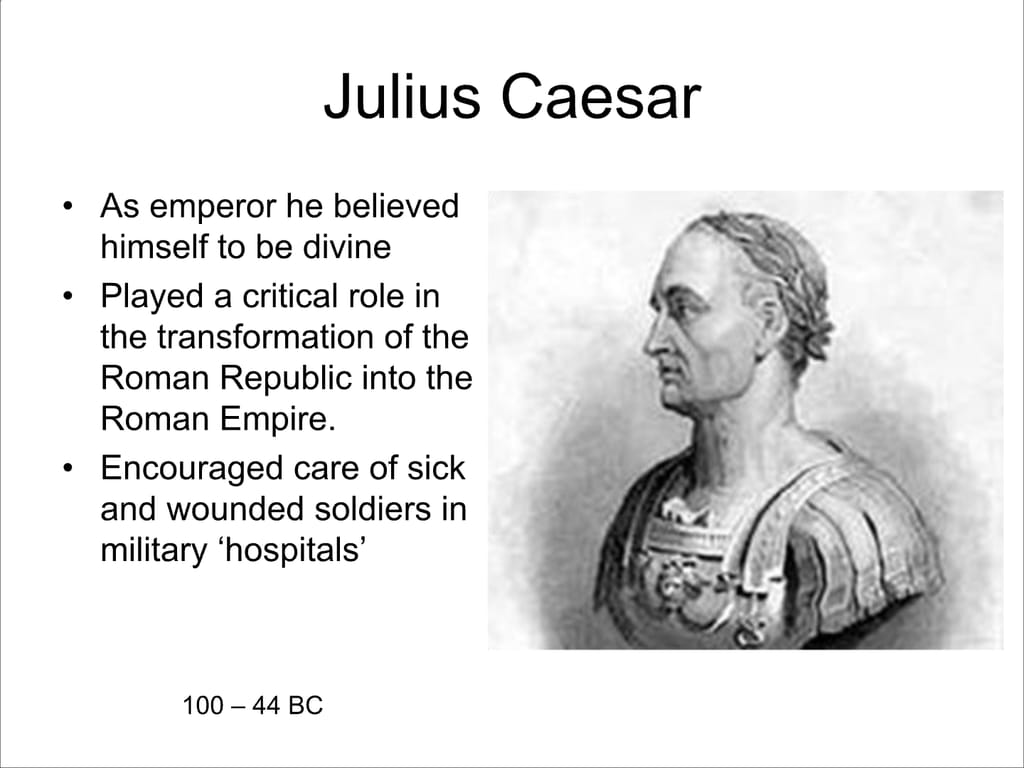
The Gallery of the Ancient World included portraits of Moses, Gautama Buddha, Hippocrates, Julius Caesar, Jesus of Nazareth, Constantine, St Fabiola, Avicenna, Moses Maimonedes, St Francis of Assisi and John Wesley.
 

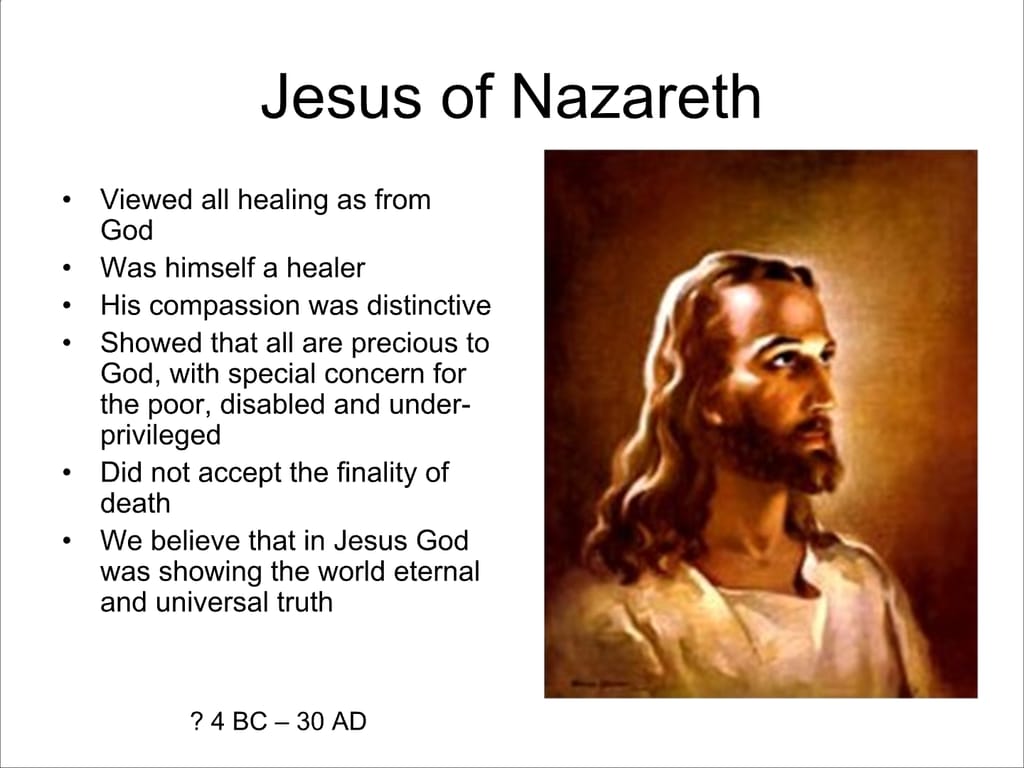
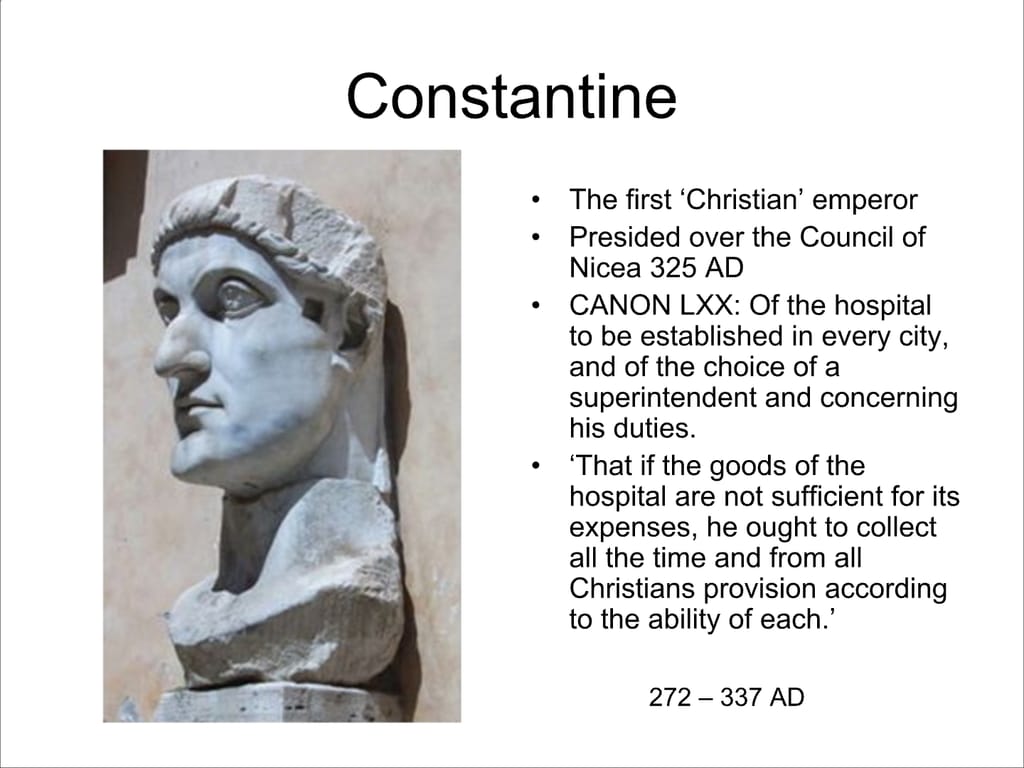
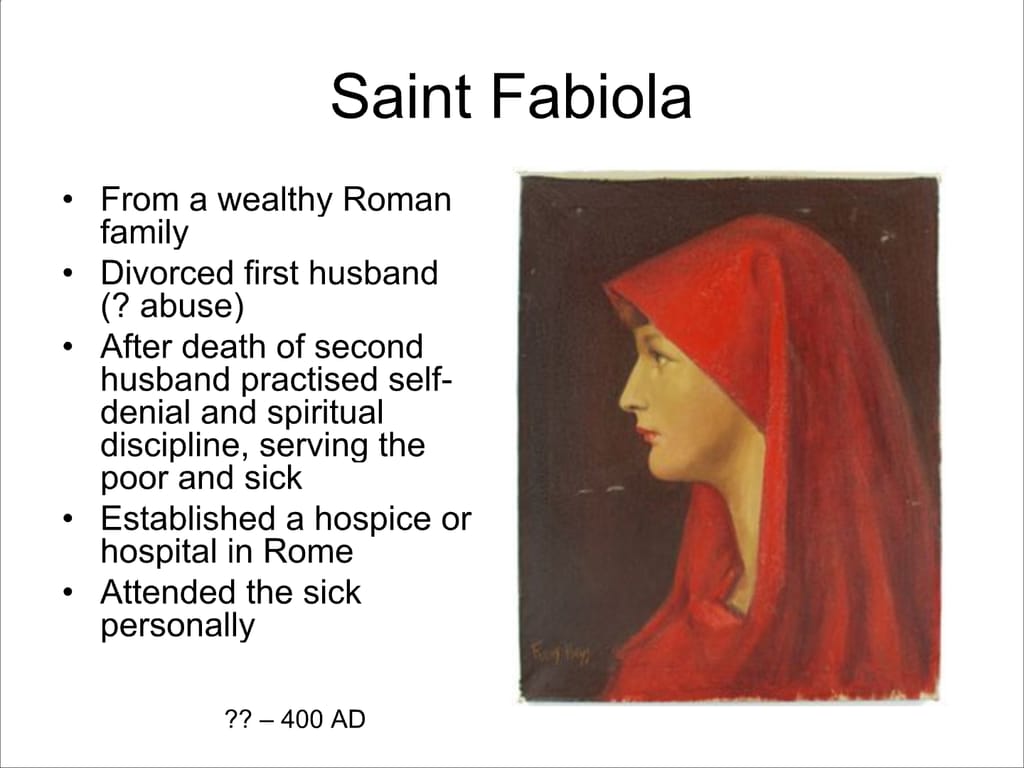
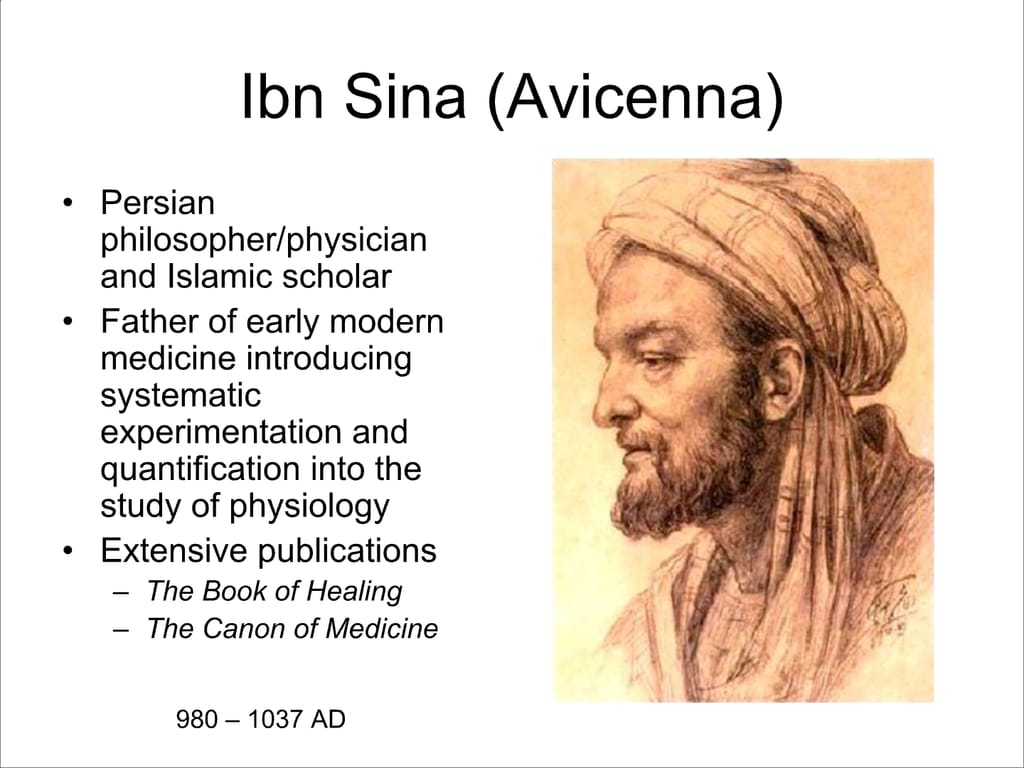
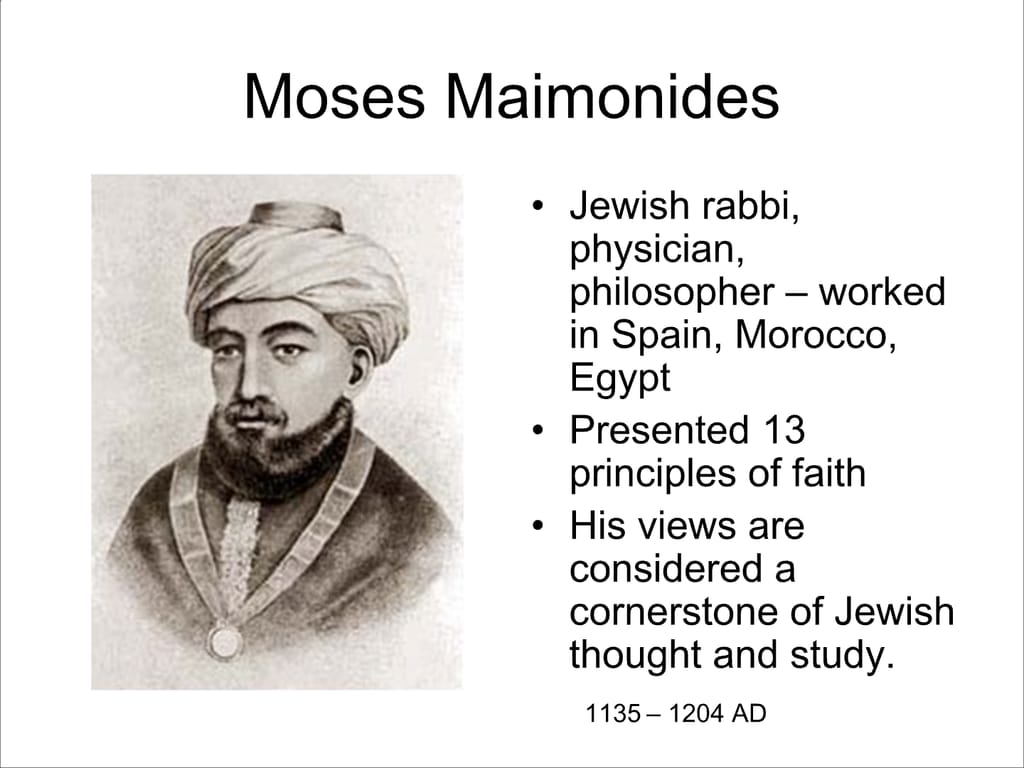
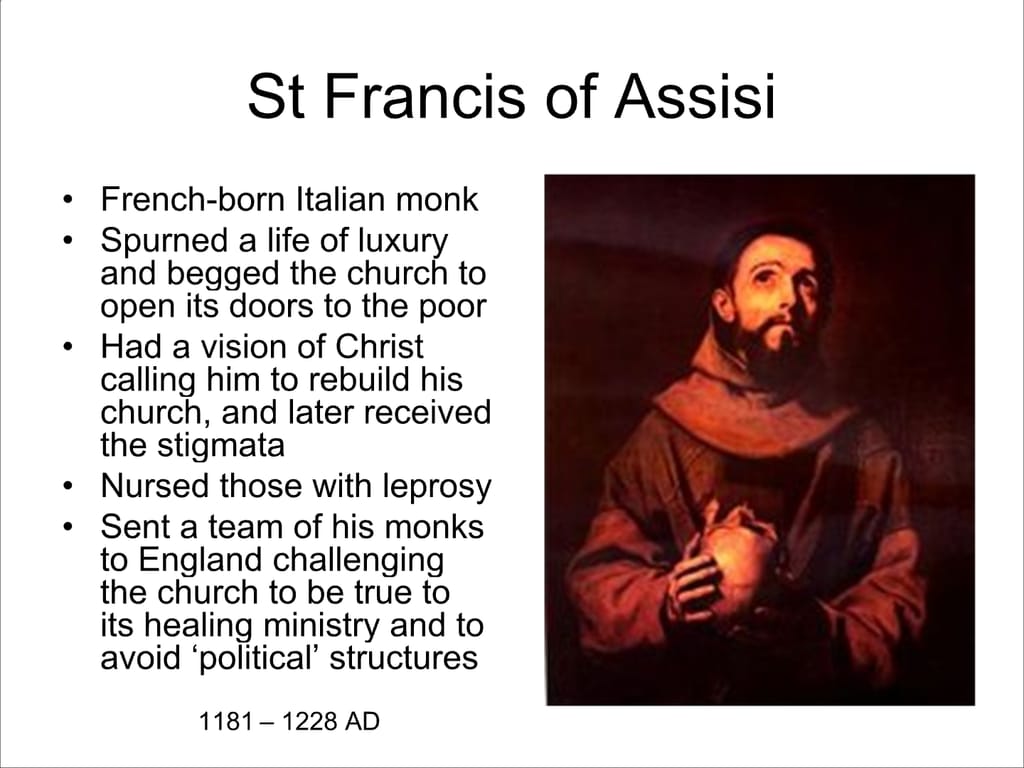
The Portrait Gallery of Health. Room 1: The Ancient World up to the 18th Century.Moses. Recognised that ‘The life of the flesh is in the blood.’ (Lev 17:11) Published strict rules governing diet (blood) and health, including ‘leprosy’ Was influenced by Egyptian medicine - Papyrus Ebers. Under God’s direction, he lifted a brass serpent to protect a nation in the wilderness. It becomes the symbol of the cross of Jesus Christ. 1570 – 1450 BC.Gautama Buddha. Sought to overcome old age, illness, and death by living the life of an ascetic. Moderated this to ‘the middle way’ - the path of moderation. Developed the four noble truths about suffering and the eight-fold path to the ending of pain. c 563 – 483 BC.Hippocrates. A physician on the Greek island of Cos. The father of scientific medicine. Wanted medicine to be free from superstition. Wrote a ten-volume encyclopaedia of medicine. ‘It is more important to know what sort of person has a disease than to know what sort of disease a person has.’ c 460 – c 377 BC.Julius Caesar. As emperor he believed himself to be divine. Played a critical role in the transformation of the Roman Republic into the Roman Empire. Encouraged care of sick and wounded soldiers in military ‘hospitals’ 100 – 44 BC.Jesus of Nazareth. Viewed all healing as from God. Was himself a healer. His compassion was distinctive Showed that all are precious to God, with special concern for the poor, disabled and under- privileged. Did not accept the finality of death. We believe that in Jesus God was showing the world eternal and universal truth. 2?4BC-30AD.Constantine. The first ‘Christian’ emperor. Presided over the Council of Nicea 325 AD. CANON LXX: Of the hospital to be established in every city, and of the choice of a superintendent and concerning his duties. ‘That if the goods of the hospital are not sufficient for its expenses, he ought to collect all the time and from all Christians provision according to the ability of each.’ 272 – 337 AD.Saint Fabiola. From a wealthy Roman family. Divorced first husband (? abuse) After death of second husband practised self- denial and spiritual discipline, serving the poor and sick Established a hospice or hospital in Rome Attended the sick personally. ?? – 400 AD.Ibn Sina (Avicenna) Persian philosopher/physician and Islamic scholar Father of early modern medicine introducing systematic experimentation and quantification into the study of physiology Extensive publications – The Book of Healing – The Canon of Medicine. 980 – 1037 AD.Moses Maimonides. Jewish rabbi, physician, philosopher – worked in Spain, Morocco, Egypt. Presented 13 principles of faith. His views are considered a cornerstone of Jewish thought and study. 1135-1204 AD.St Francis of Assisi. French-born Italian monk Spurned a life of luxury and begged the church to open its doors to the poor Had a vision of Christ calling him to rebuild his church, and later received the stigmata. Nursed those with leprosy. Sent a team of his monks to England challenging the church to be true to its healing ministry and to. avoid ‘political’ structures. 1181 – 1228 AD.John Wesley. Met people in the open air, telling them about Jesus, the Saviour. A ‘methodist’ approach. Antagonistic to the medical profession Established the first free dispensary in Britain Wrote Primitive Physick – health hints to the poor Electrotherapy for pain 1703 – 1791 AD.
1 / 12
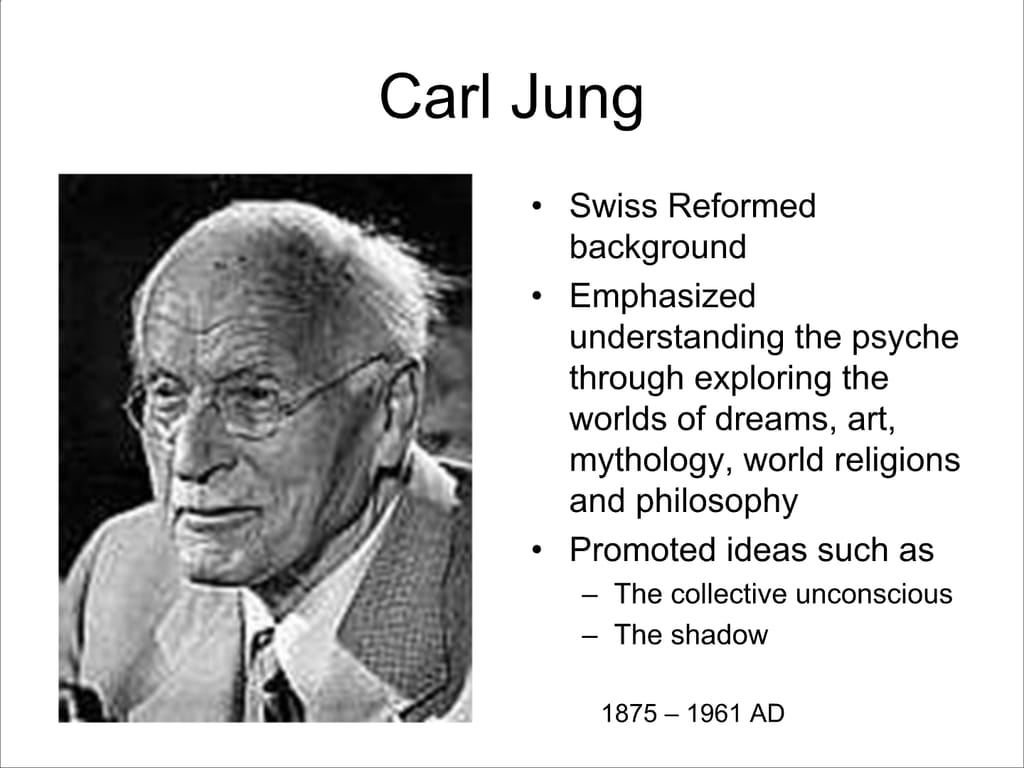
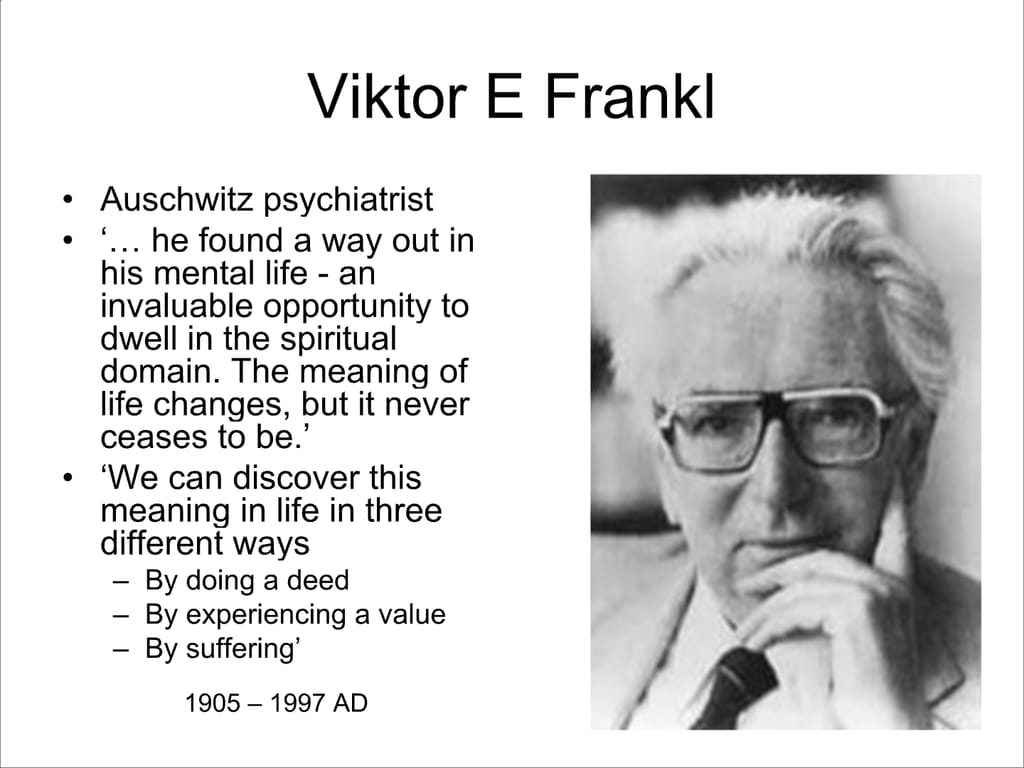
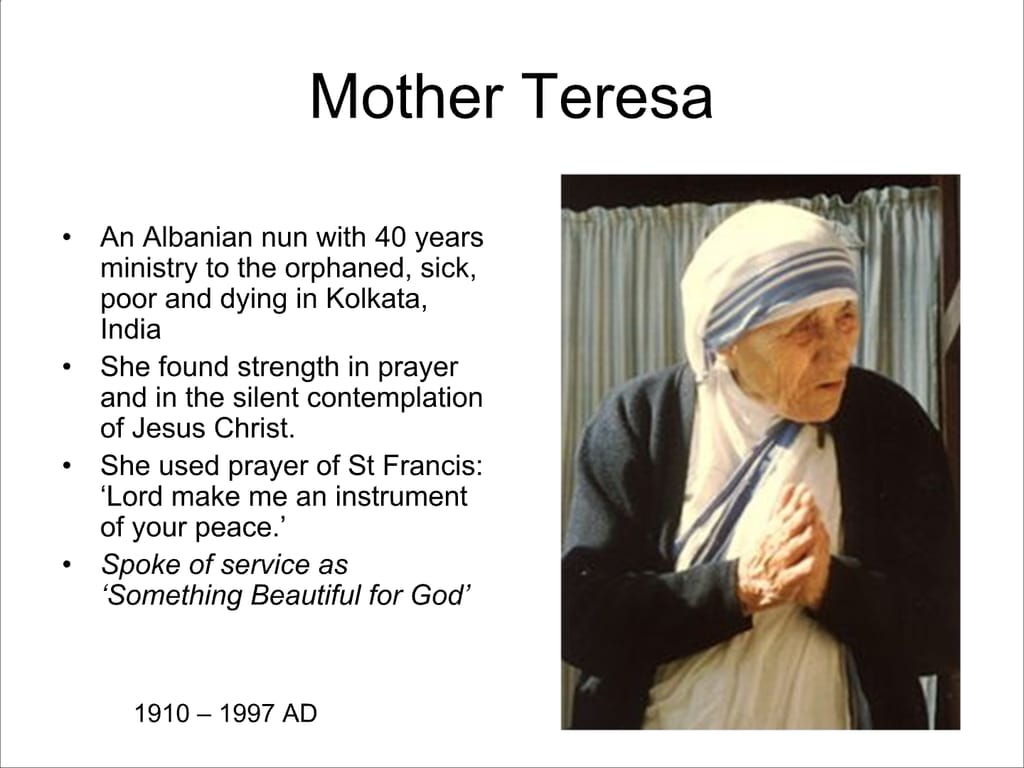
The Gallery of the 19th and 20th Centuries included: Florence Nightingale, David Livingstone, Hudson Taylor, Albert Schweitzer, Carl Jung, Victor Frankl, Mother Teresa and Pope John Paul ll.
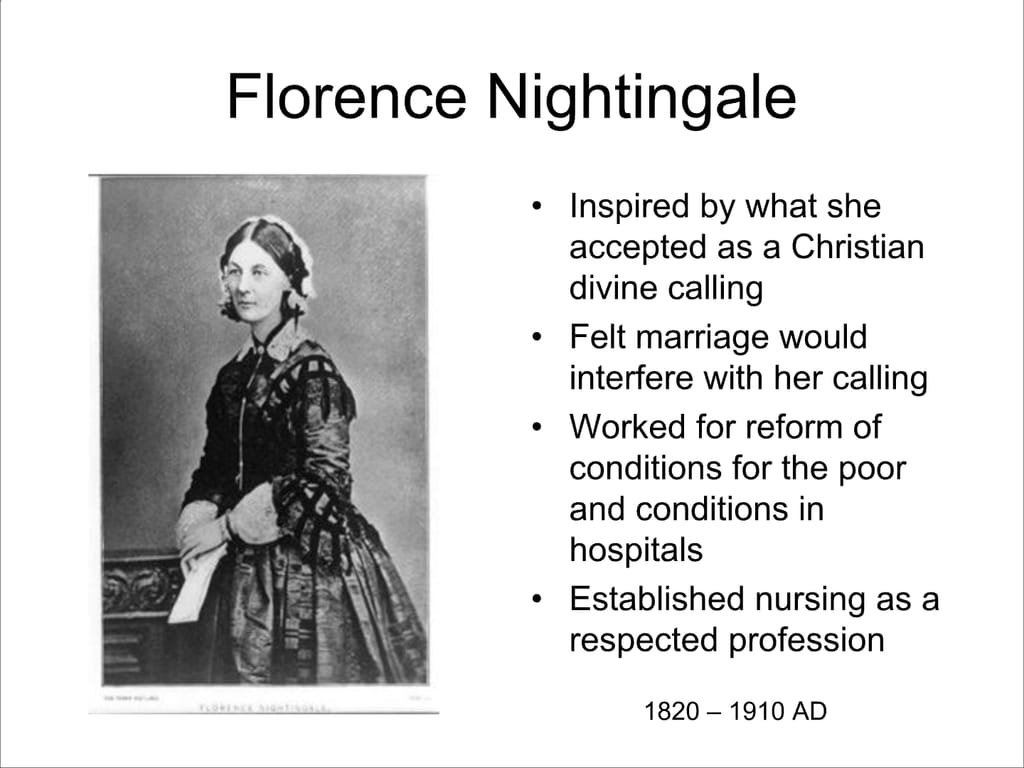
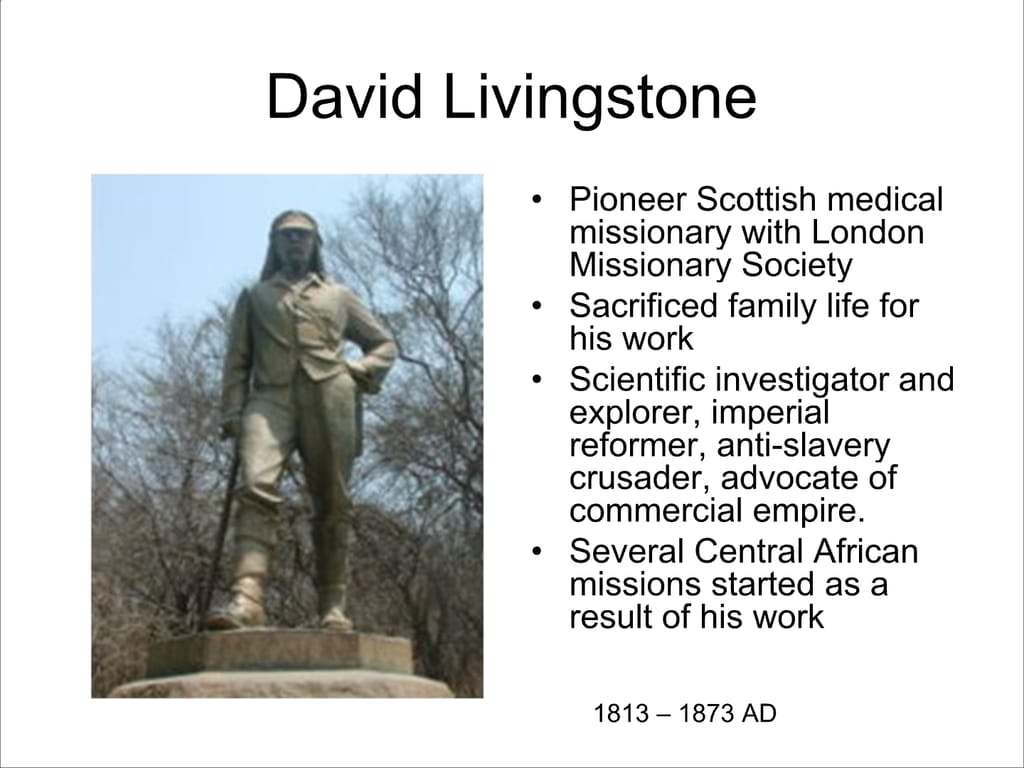
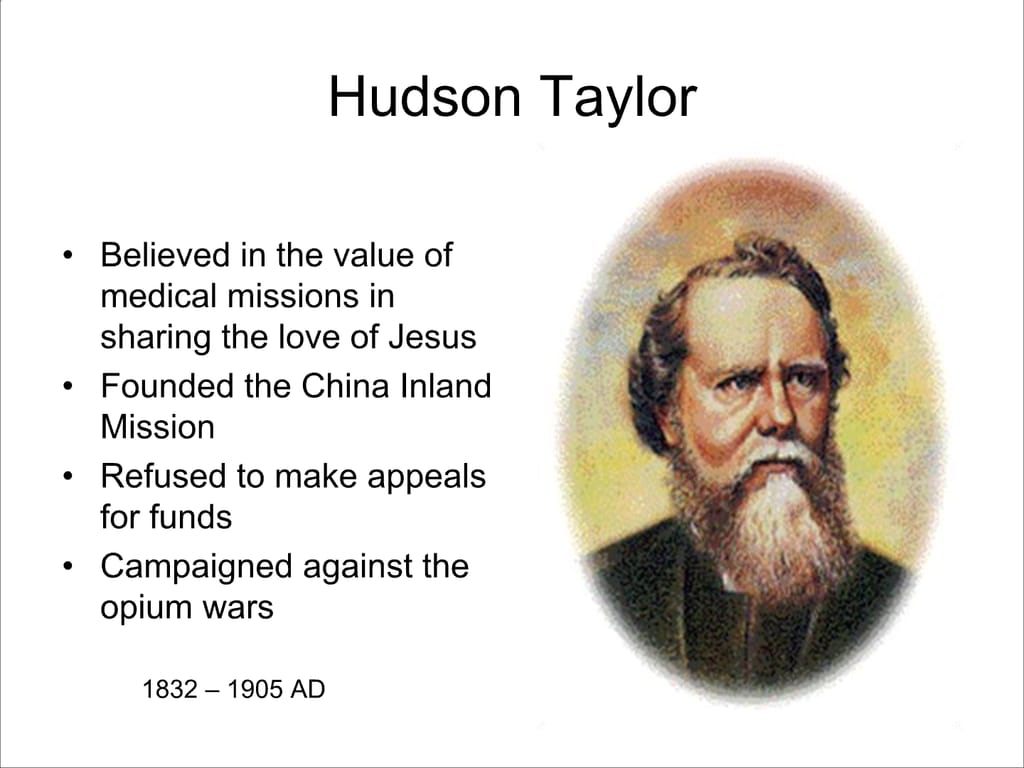
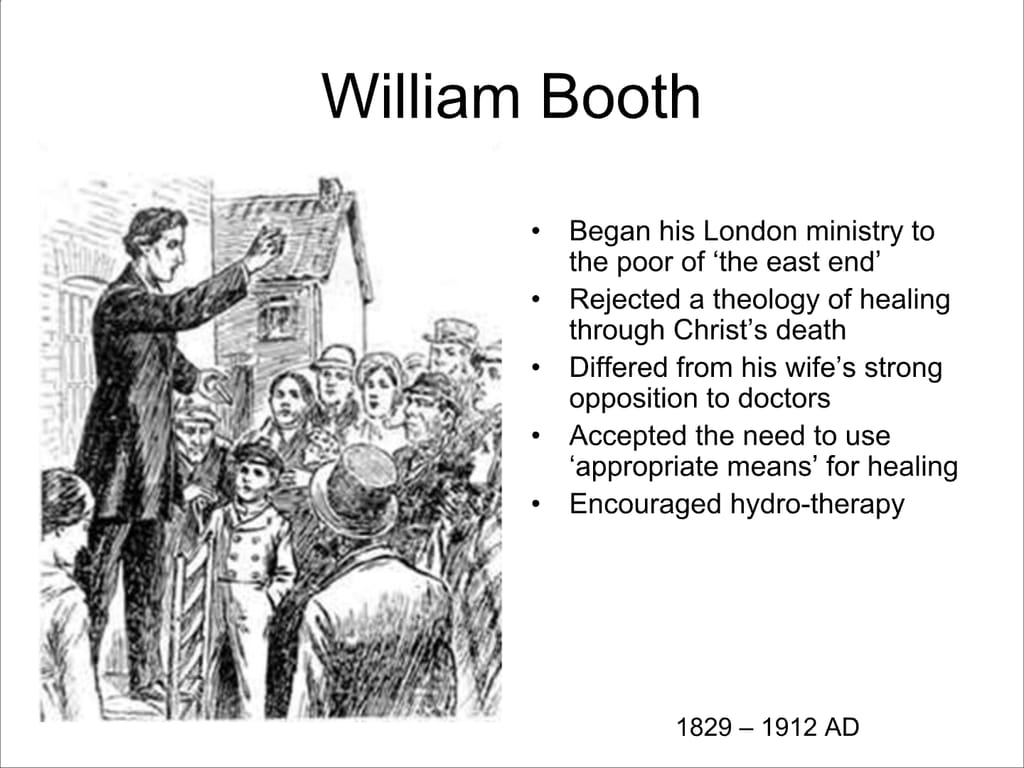
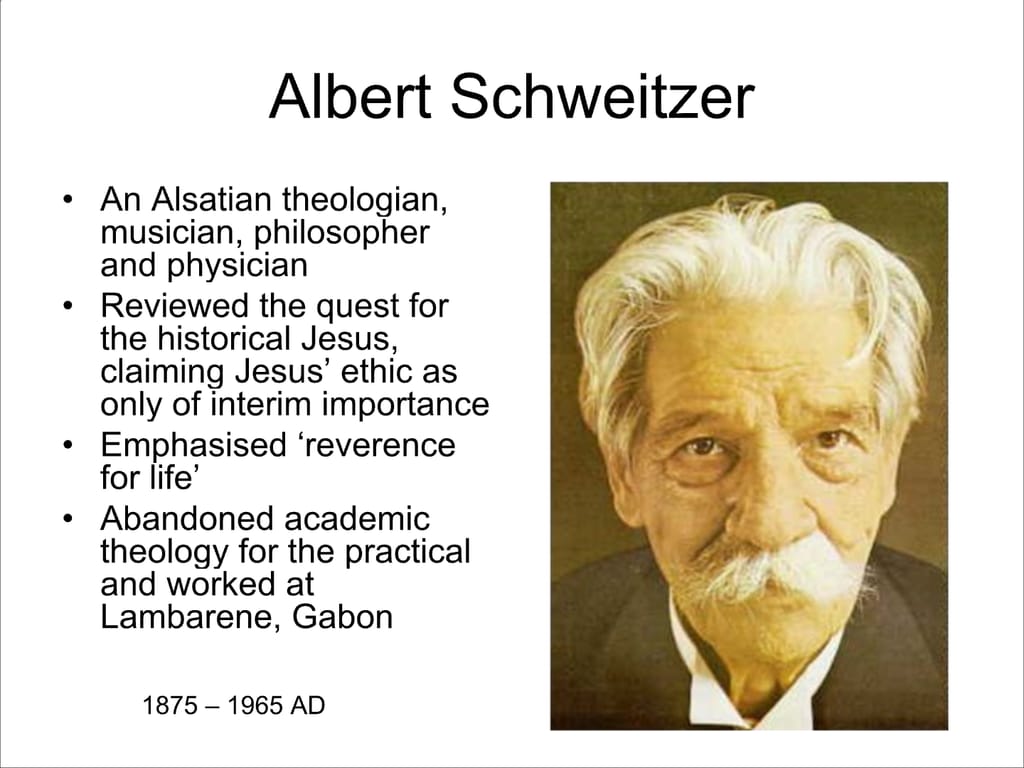
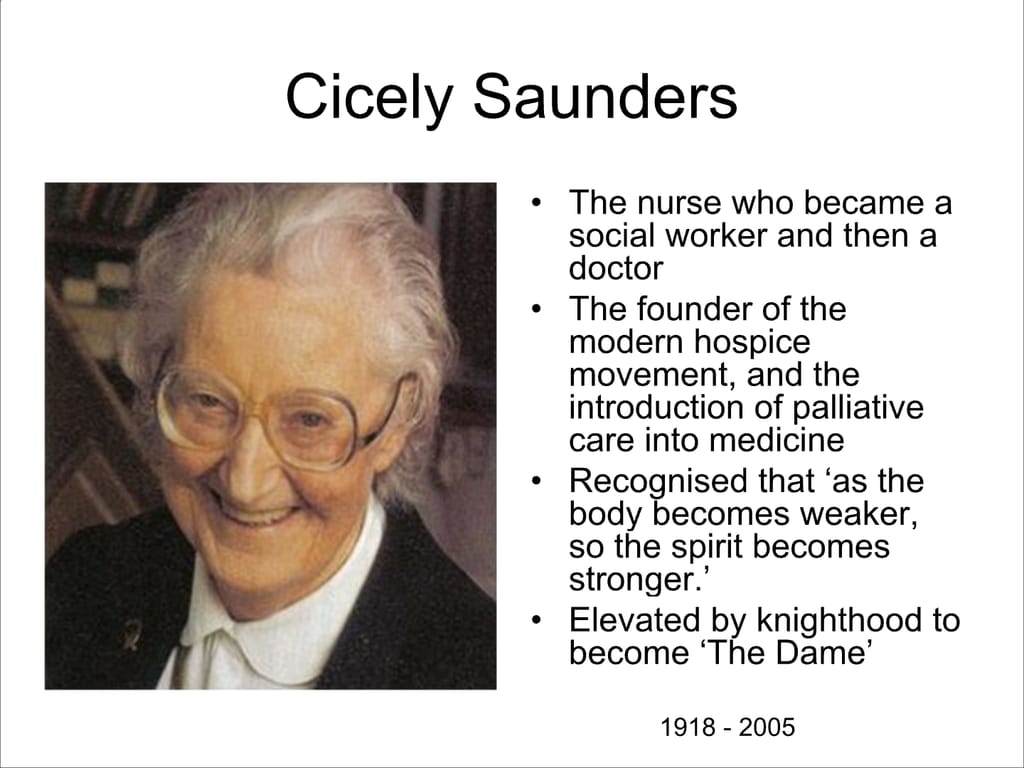
The Portrait Gallery of Health. Room 2: The 19th and 20th Centuries.Florence Nightingale. Inspired by what she accepted as a Christian divine calling. Felt marriage would interfere with her calling. Worked for reform of conditions for the poor and conditions in hospitals. Established nursing as a respected profession. 1820 – 1910 AD.David Livingstone. Pioneer Scottish medical missionary with London Missionary Society. Sacrificed family life for his work. Scientific investigator and explorer, imperial reformer, anti-slavery crusader, advocate of commercial empire. Several Central African missions started as a result of his work. 1813 – 1873 AD.Hudson Taylor. Believed in the value of medical missions in sharing the love of Jesus. Founded the China Inland Mission. Refused to make appeals for funds. Campaigned against the opium wars. 1832 – 1905 AD.William Booth. Began his London ministry to the poor of ‘the east end’ Rejected a theology of healing through Christ’s death. Differed from his wife’s strong opposition to doctors. Accepted the need to use ‘appropriate means’ for healing. Encouraged hydro-therapy. 1829 – 1912 AD.Albert Schweitzer. An Alsatian theologian, musician, philosopher and physician. Reviewed the quest for the historical Jesus, claiming Jesus’ ethic as only of interim importance Emphasised ‘reverence for life’ Abandoned academic theology for the practical and worked at Lambarene, Gabon. 1875 – 1965 AD.Carl Jung. Swiss Reformed background. Emphasized understanding the psyche through exploring the worlds of dreams, art, mythology, world religions and philosophy. Promoted ideas such as – The collective unconscious – The shadow. 1875 – 1961 AD.Viktor E Frankl. Auschwitz psychiatrist. ‘... he found a way out in his mental life - an invaluable opportunity to dwell in the spiritual domain. The meaning of life changes, but it never ceases to be.’ ‘We can discover this meaning in life in three different ways – By doing a deed – By experiencing a value – By suffering’ 1905 – 1997 AD.Mother Teresa. An Albanian nun with 40 years ministry to the orphaned, sick, poor and dying in Kolkata, India. She found strength in prayer and in the silent contemplation of Jesus Christ. She used prayer of St Francis: ‘Lord make me an instrument of your peace.’ Spoke of service as ‘Something Beautiful for God’ 1910 – 1997 AD.Cicely Saunders. The nurse who became a social worker and then a doctor. The founder of the modern hospice movement, and the introduction of palliative care into medicine Recognised that ‘as the body becomes weaker, so the spirit becomes stronger.’ Elevated by knighthood to become ‘The Dame’John Paul II. Several papers on ethics: the sanctity of life, abortion, contraception, culture of death etc. Decided that it was acceptable to desist from ‘extra-ordinary’ medical treatments and allow people to die. Aggressive therapy was given in his final illness, but he said: ‘Let me depart to the home of the Father.’ 1920 – 2005 AD.
1 / 11


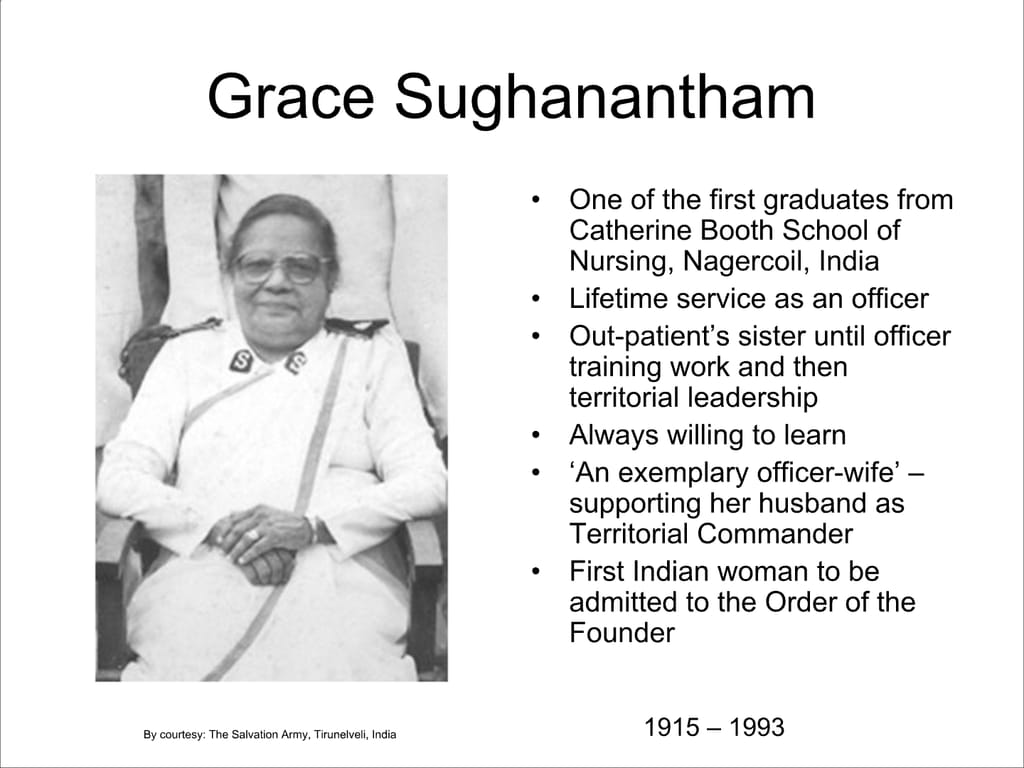
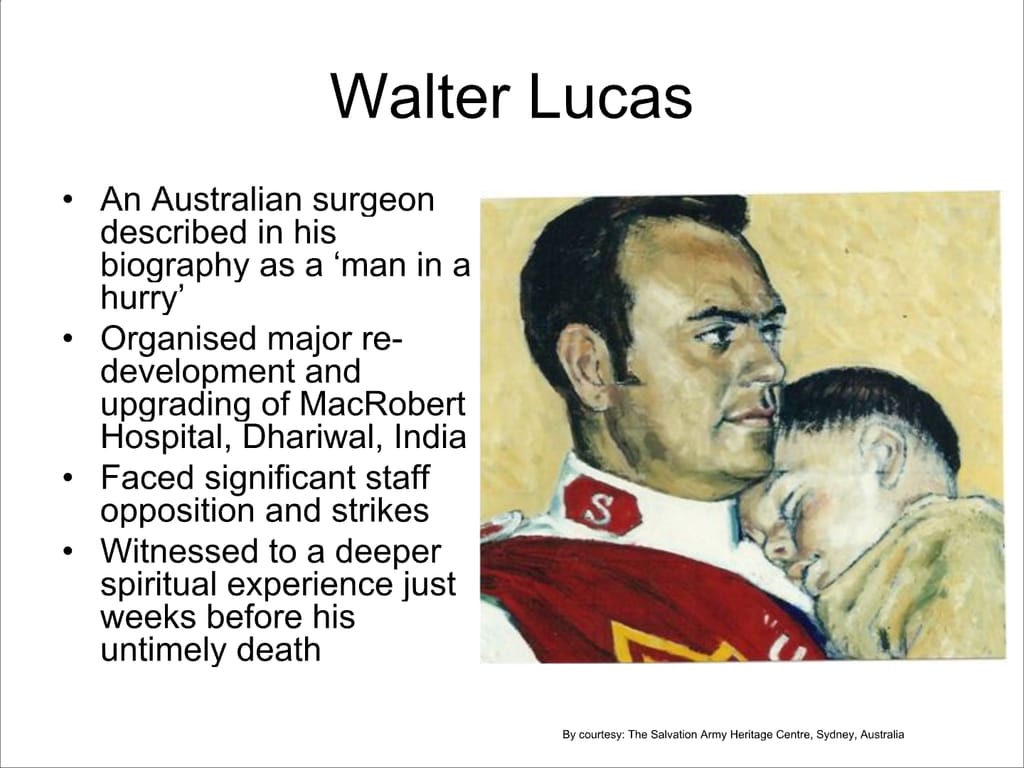
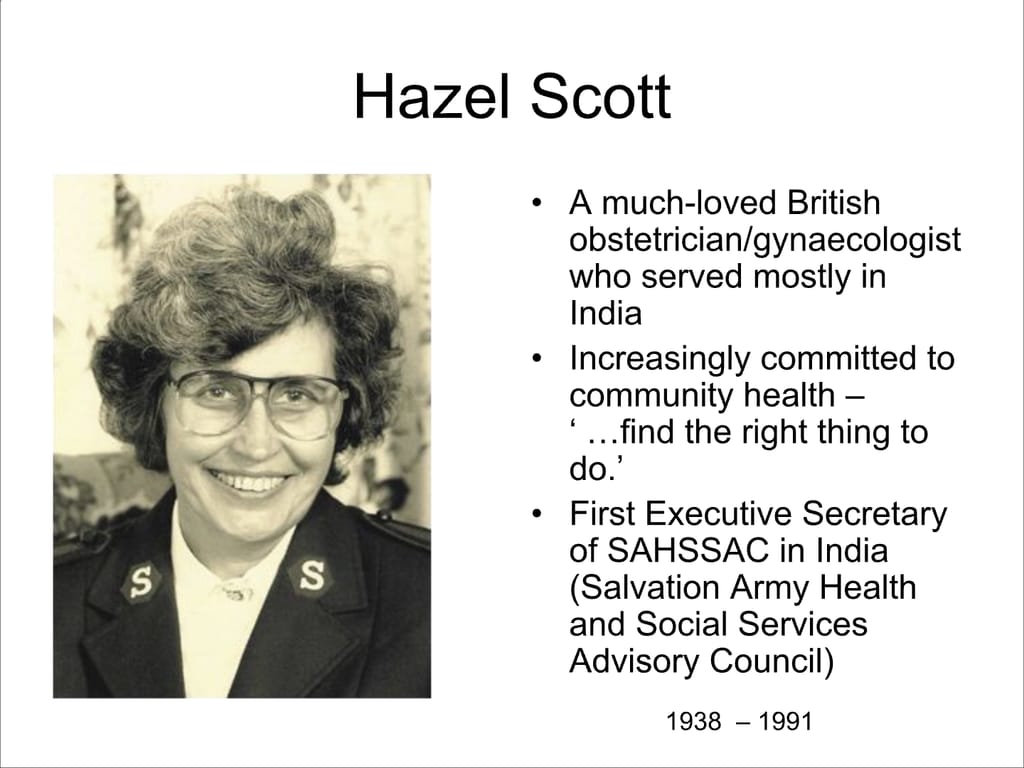
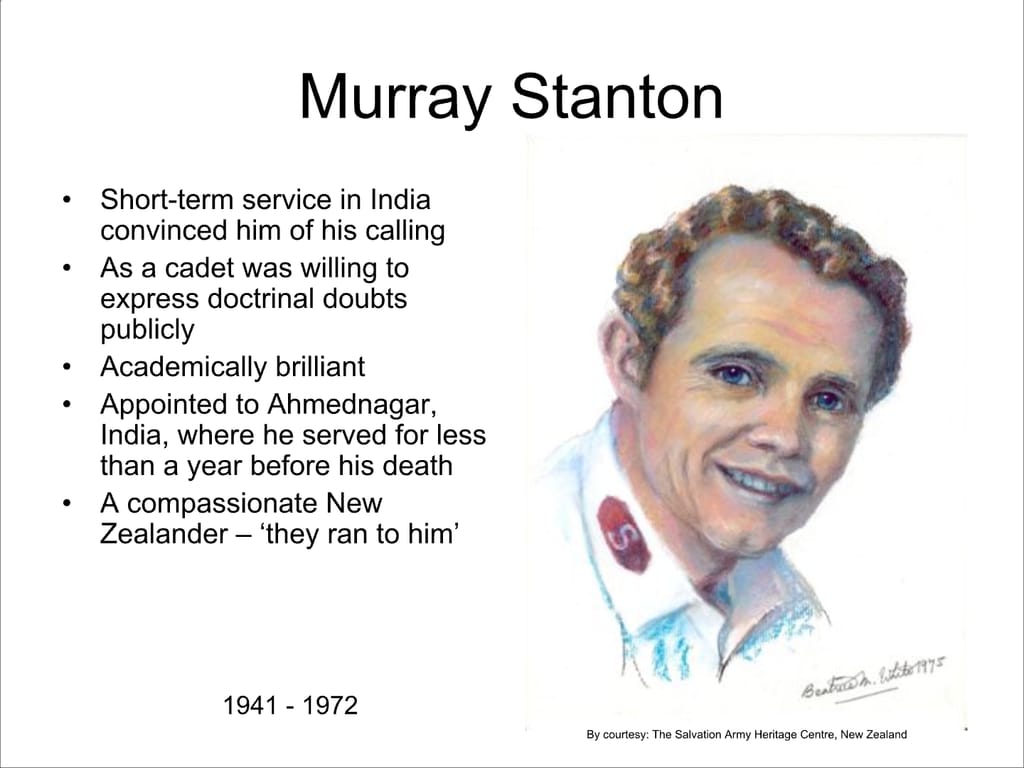
The Salvation Army Gallery was the third. It includes people, now ‘promoted to glory’ who have had a significant role in the development of Salvation Army Health Services. It includes several former Generals and a number of medical doctors, such as Harry Andrews, Percy Turner, William Noble, Stanley Beer. Four Salvation Army doctors who have died while in active service in recent decades are here: Walter Lucas, Murray Stanton, Hazel Scott and Philippe Huguenin. But less well known women such as Louise Mary Tucker, Margaret Bovill, Gertrude Wakernagel and Grace Sughanantham are also in the gallery.
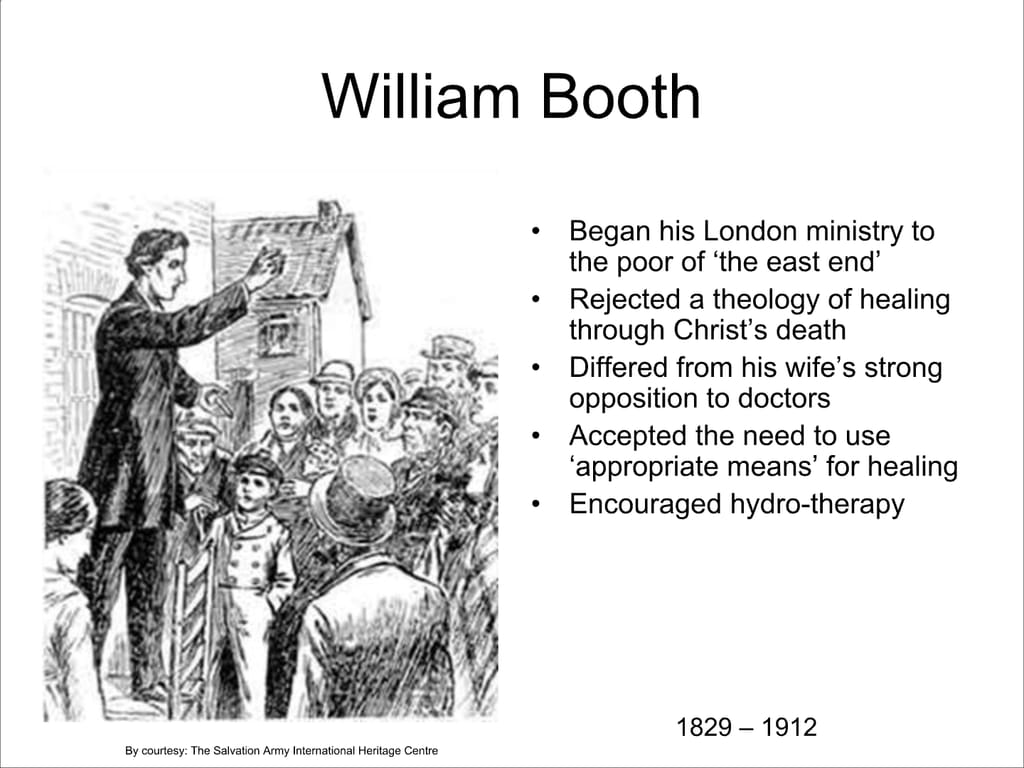
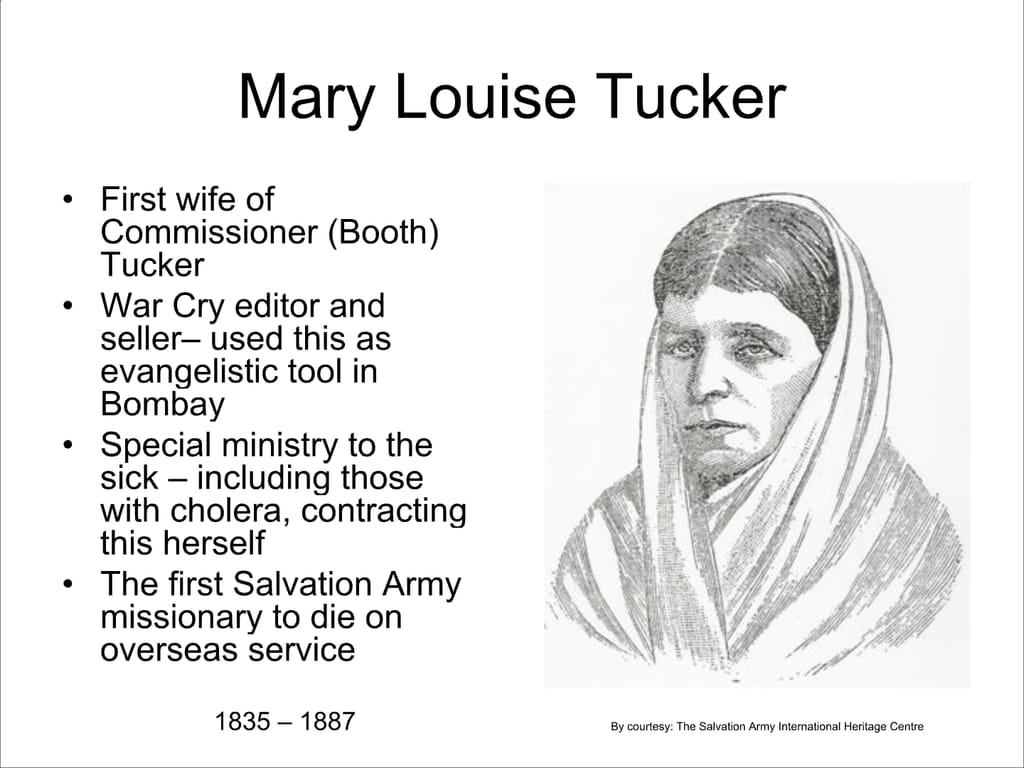
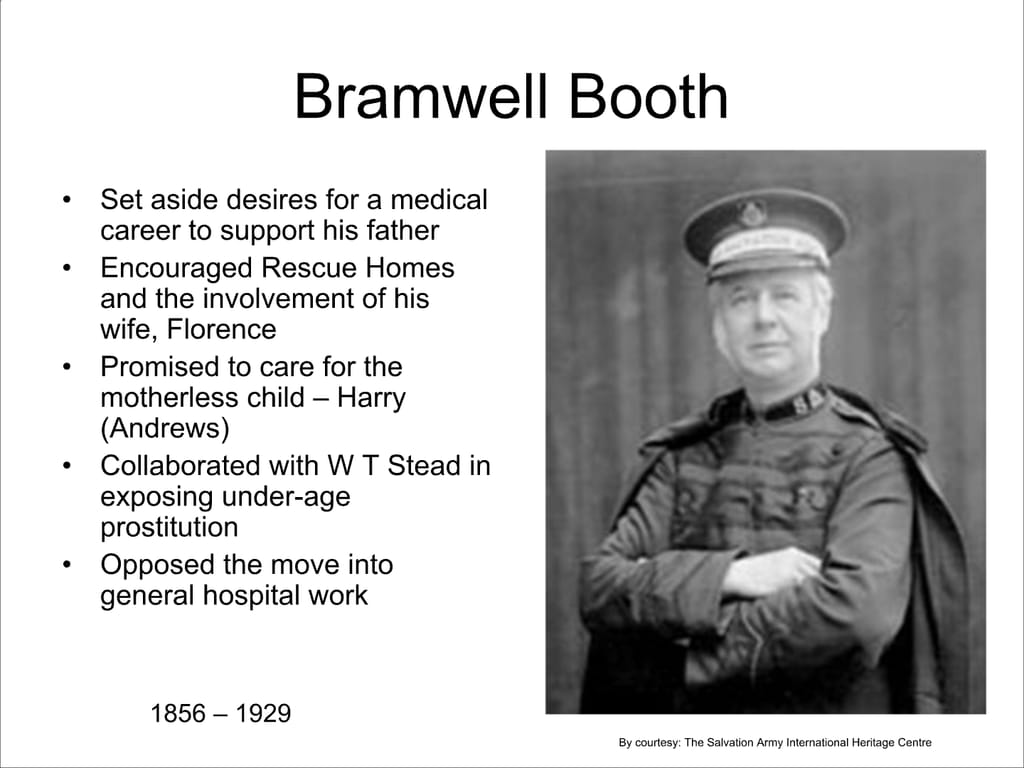
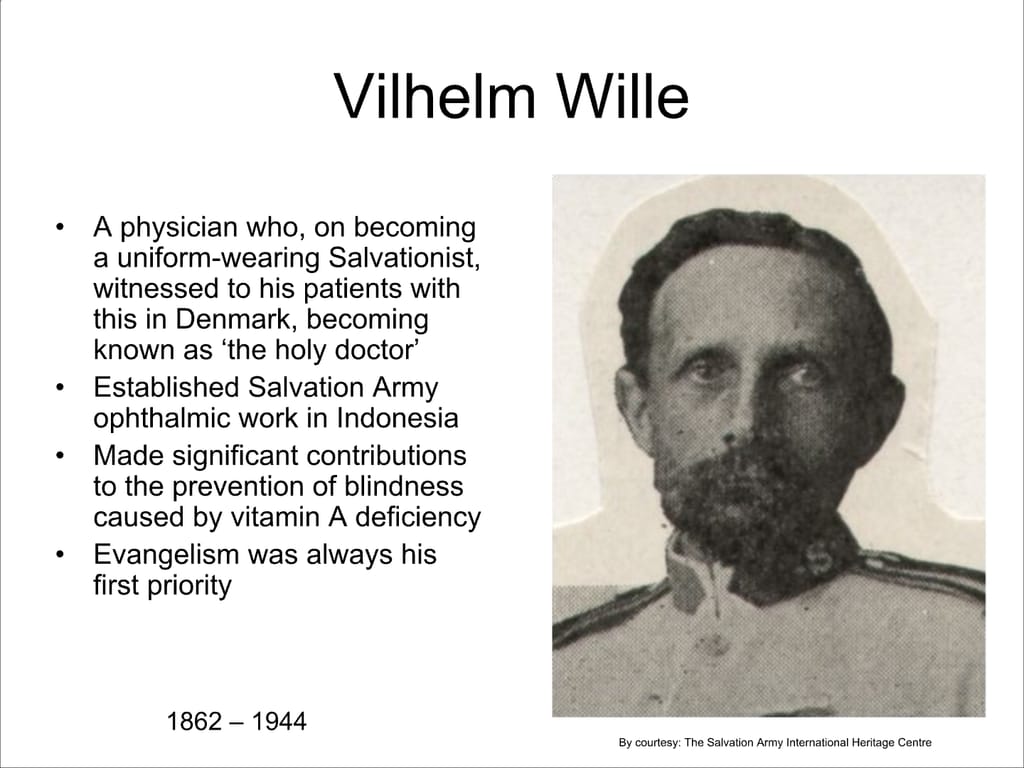
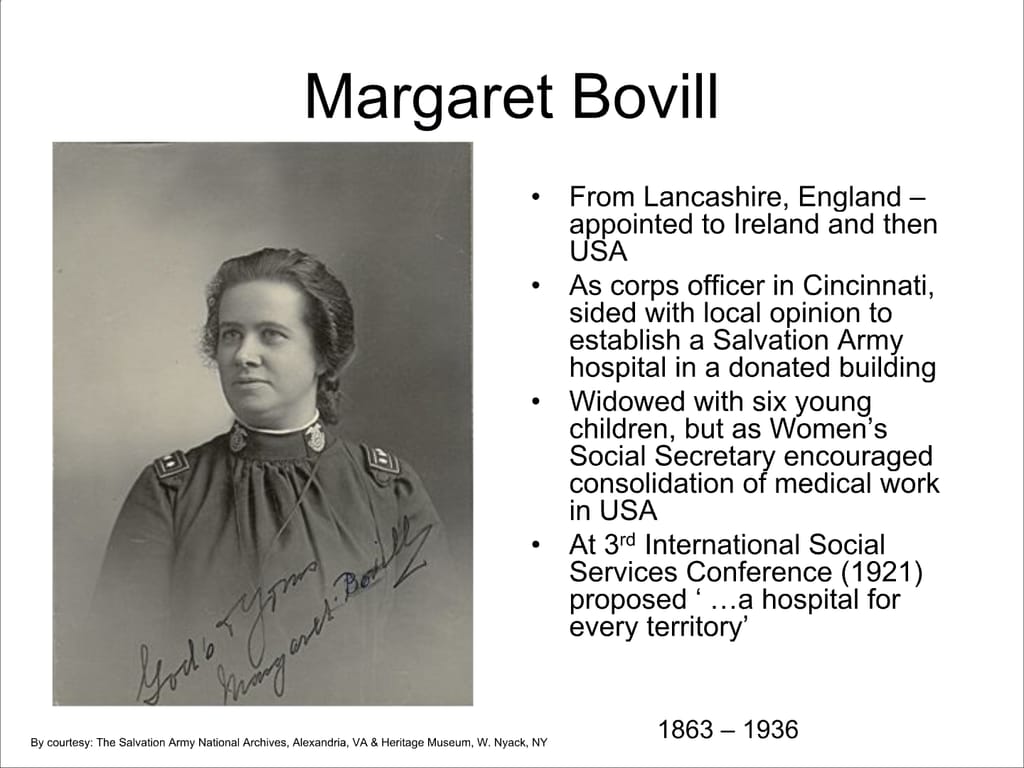
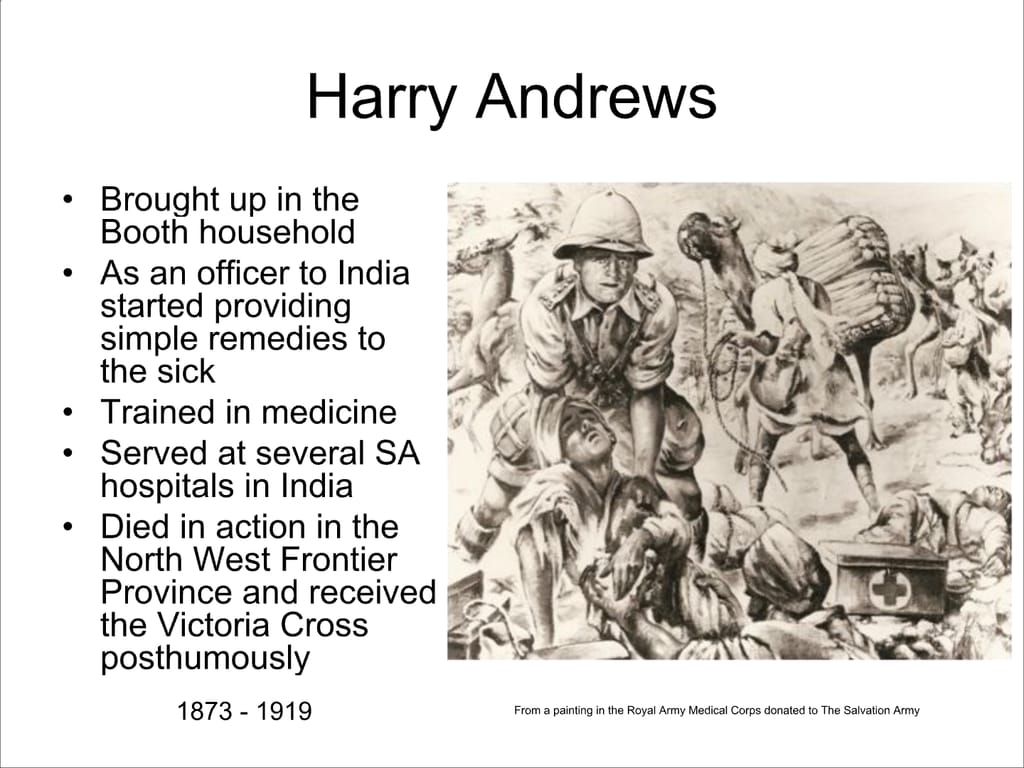
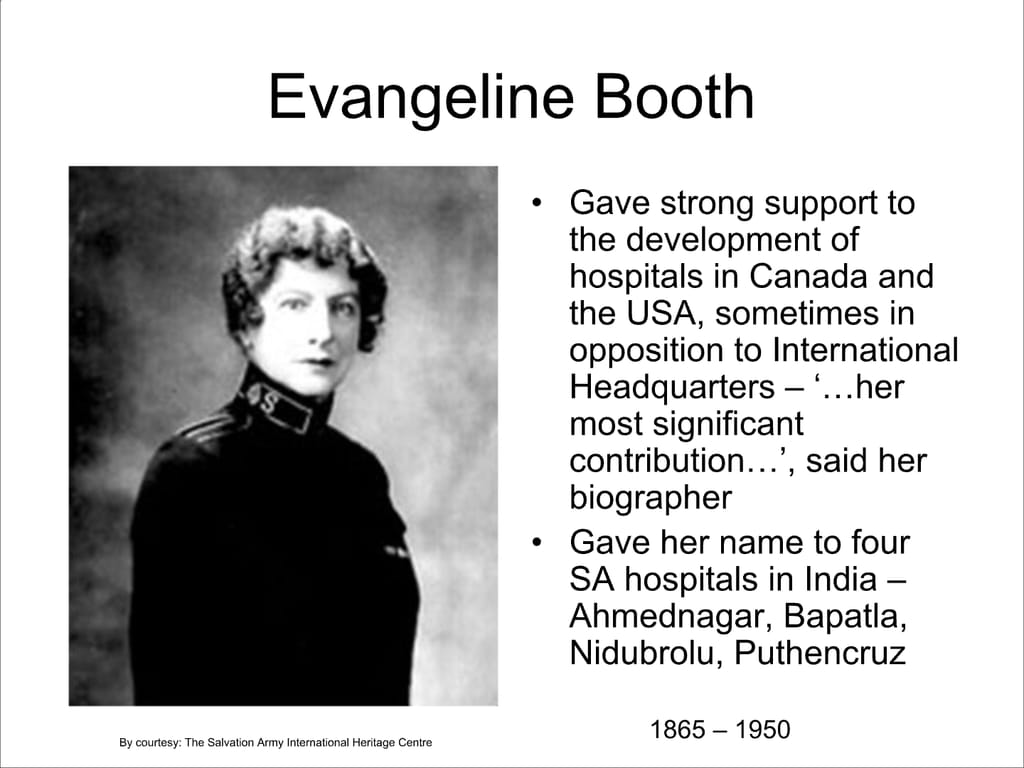
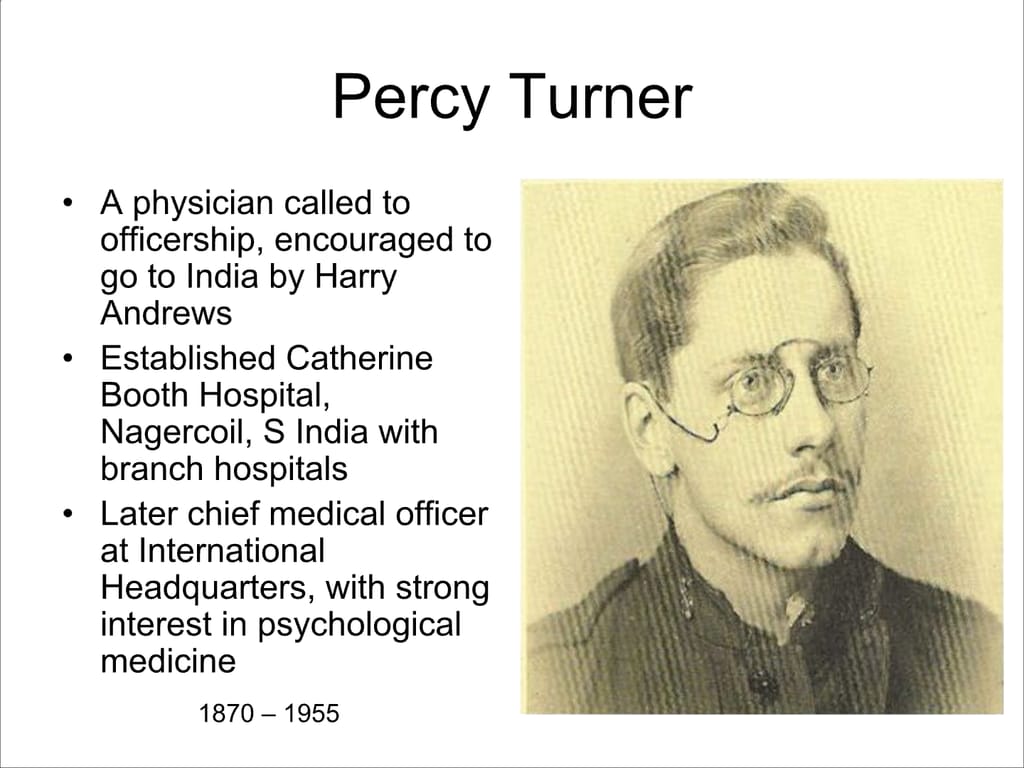
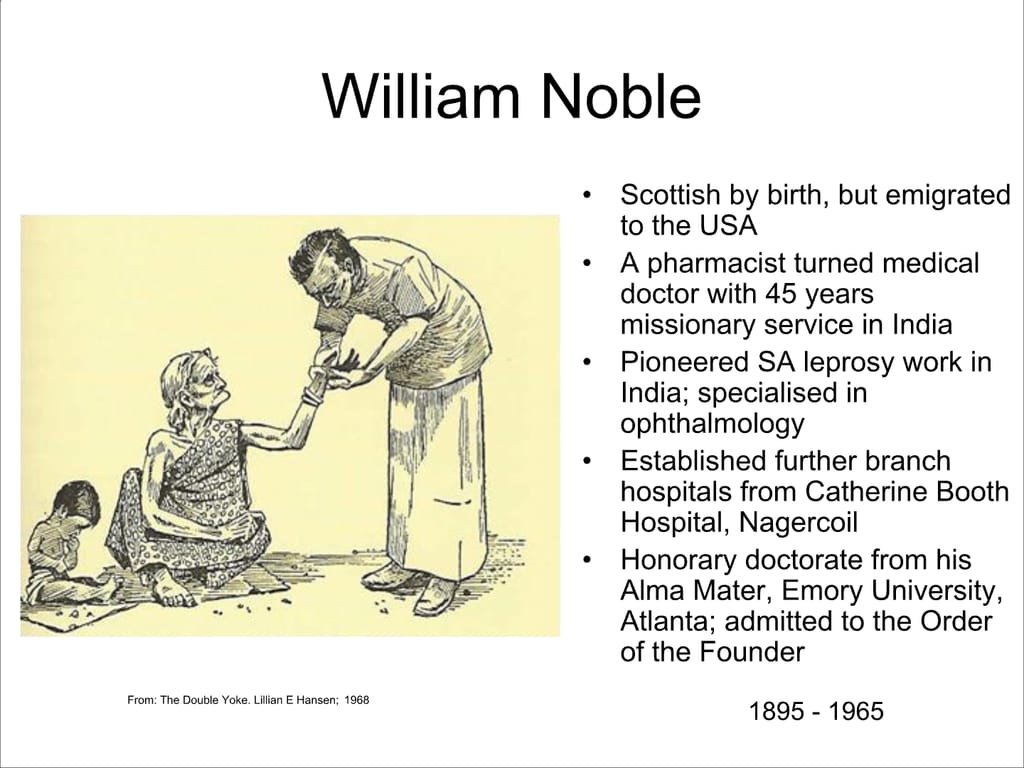
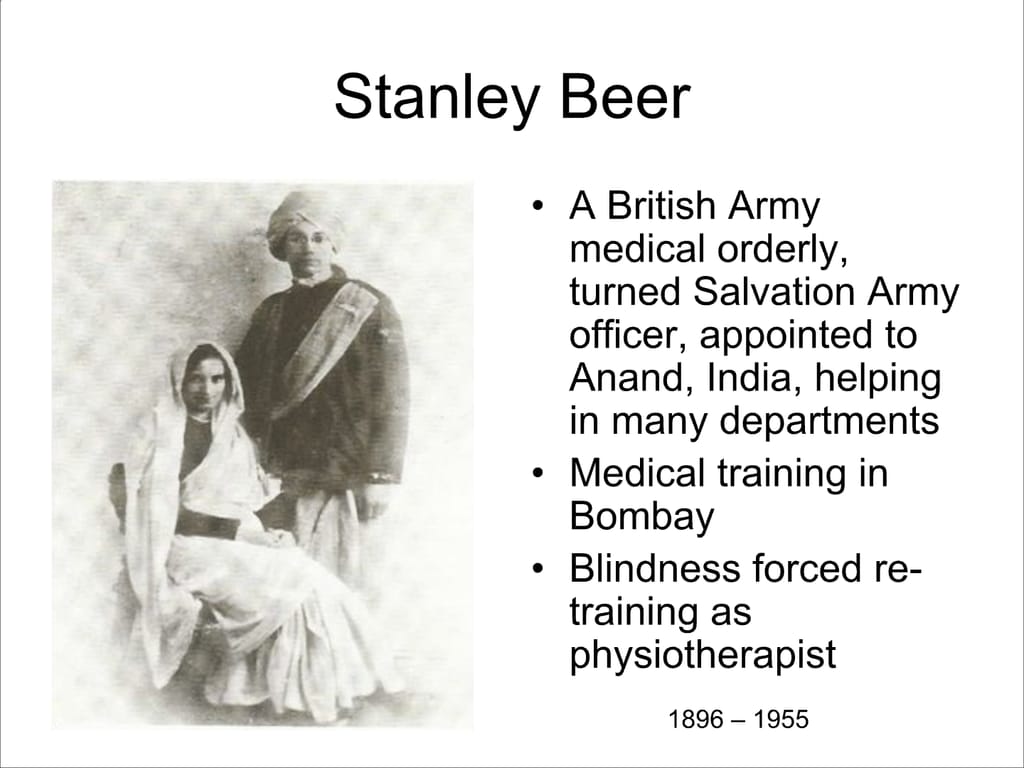
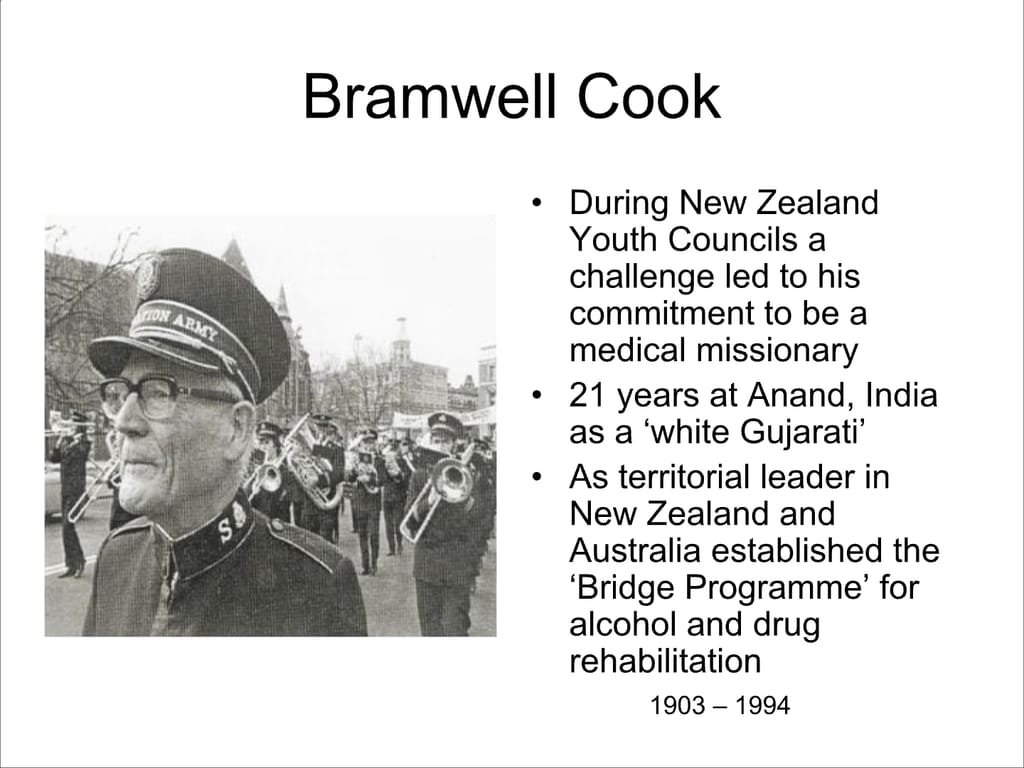
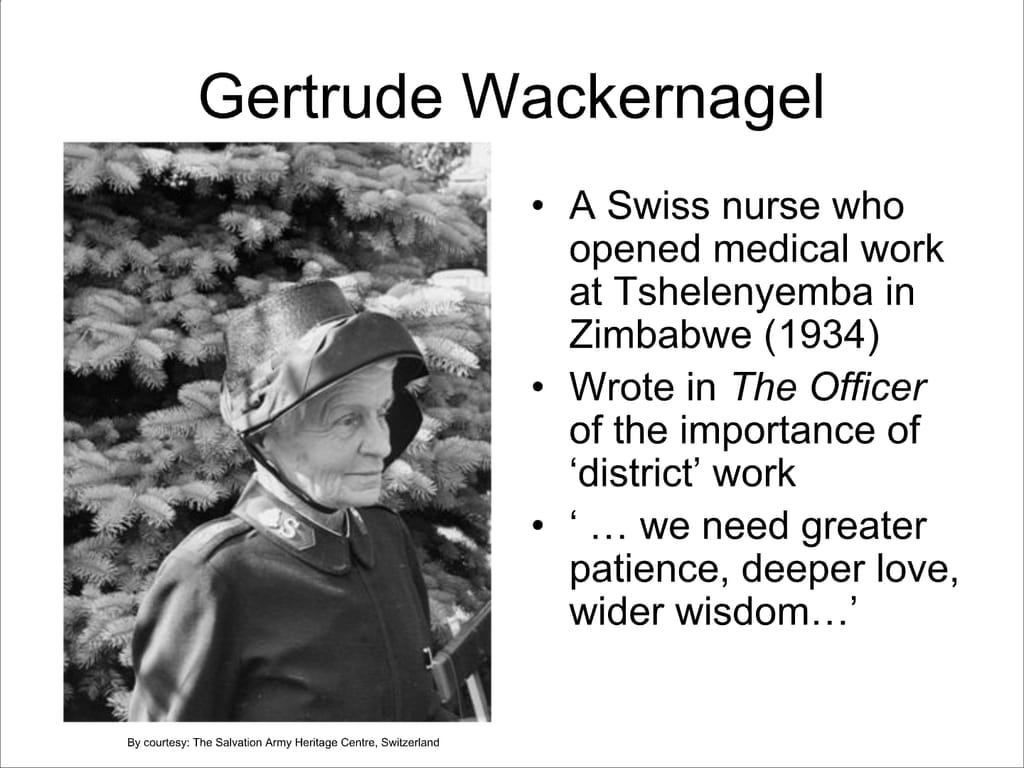
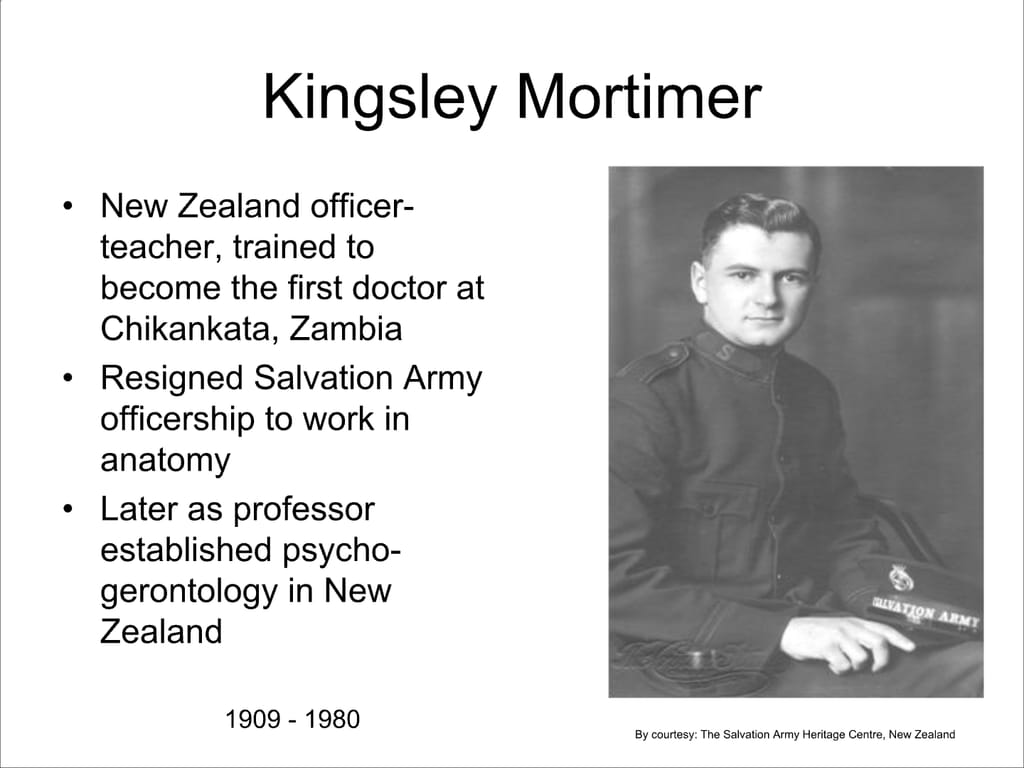
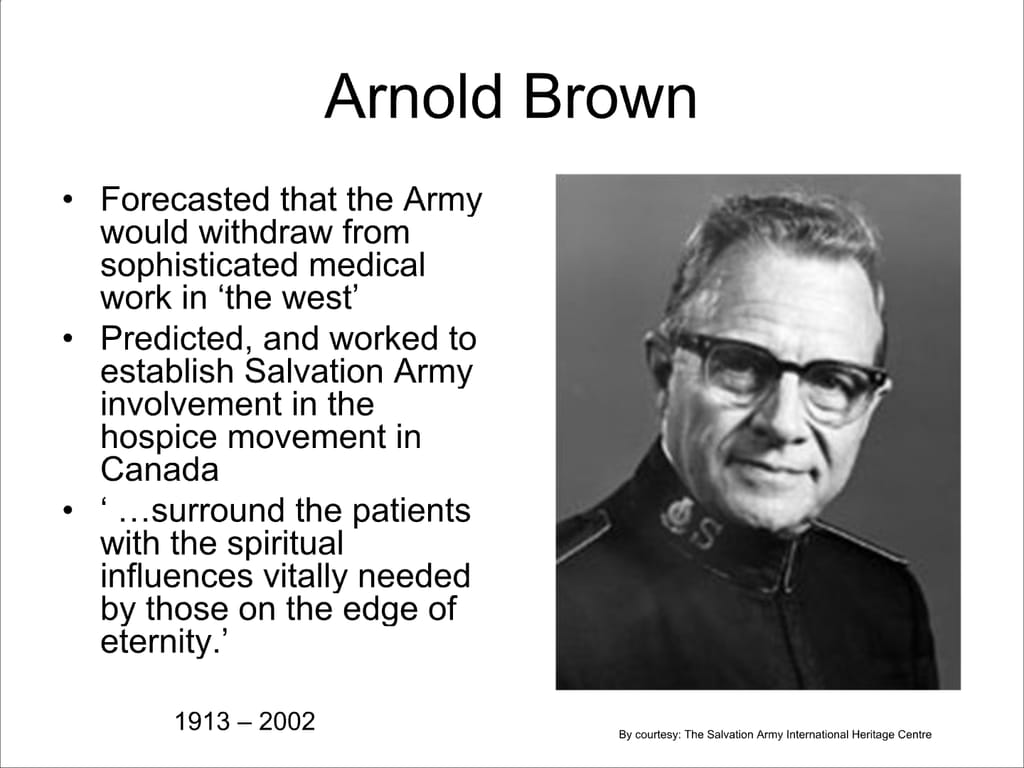
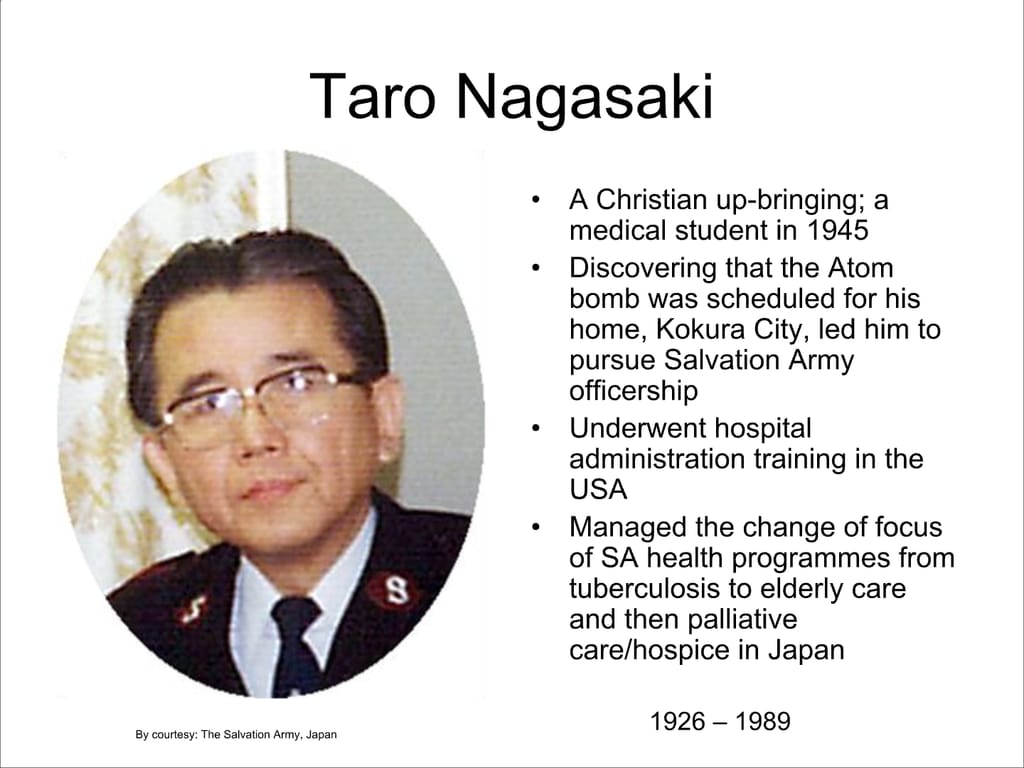
The Portrait Gallery of Health. Room 3: The Salvation Army.William Booth. Began his London ministry to the poor of ‘the east end’ Rejected a theology of healing through Christ’s death. Differed from his wife’s strong opposition to doctors. Accepted the need to use ‘appropriate means’ for healing. Encouraged hydro-therapy.Mary Louise Tucker. First wife of Commissioner (Booth) Tucker. War Cry editor and seller— used this as evangelistic tool in Bombay. Special ministry to the sick – including those with cholera, contracting this herself. The first Salvation Army missionary to die on overseas service. 1835 – 1887Bramwell Booth. Set aside desires for a medical career to support his father Encouraged Rescue Homes and the involvement of his wife, Florence. Promised to care for the motherless child – Harry (Andrews) Collaborated with W T Stead in exposing under-age prostitution. Opposed the move into general hospital work.Vilhelm Wille. A physician who, on becoming a uniform-wearing Salvationist, witnessed to his patients with this in Denmark, becoming known as ‘the holy doctor’ Established Salvation Army ophthalmic work in Indonesia Made significant contributions to the prevention of blindness caused by vitamin A deficiency Evangelism was always his first priority.Margaret Bovill. From Lancashire, England – appointed to Ireland and then USA. As corps officer in Cincinnati, sided with local opinion to establish a Salvation Army hospital in a donated building. Widowed with six young children, but as Women’s Social Secretary encouraged consolidation of medical work in USA. At 3rd International Social Services Conference (1921) proposed ‘ ...a hospital for every territory’Harry Andrews. Brought up in the Booth household. As an officer to India started providing simple remedies to the sick. Trained in medicine. Served at several SA hospitals in India. Died in action in the North West Frontier Province and received the Victoria Cross posthumously. 1873 - 1919 From a painting in the Royal Army Medical Corps donated to The Salvation Army.Evangeline Booth. Gave strong support to the development of hospitals in Canada and the USA, sometimes in opposition to International Headquarters – ‘...her most significant contribution...’, said her biographer. Gave her name to four SA hospitals in India – Ahmednagar, Bapatla, Nidubrolu, Puthencruz.Percy Turner. A physician called to officership, encouraged to go to India by Harry Andrews. Established Catherine Booth Hospital, Nagercoil, S India with branch hospitals. Later chief medical officer at International Headquarters, with strong interest in psychological medicine.William Noble. From: The Double Yoke. Lillian E Hansen; 1968. Scottish by birth, but emigrated to the USA. A pharmacist turned medical doctor with 45 years missionary service in India Pioneered SA leprosy work in India; specialised in ophthalmology. Established further branch hospitals from Catherine Booth Hospital, Nagercoil. Honorary doctorate from his Alma Mater, Emory University, Atlanta; admitted to the Order of the Founder.Stanley Beer. A British Army medical orderly, turned Salvation Army officer, appointed to Anand, India, helping in many departments. Medical training in Bombay. Blindness forced re- training as physiotherapist.Bramwell Cook. During New Zealand Youth Councils a challenge led to his commitment to be a medical missionary. 21 years at Anand, India as a ‘white Gujarati’ As territorial leader in New Zealand and Australia established the ‘Bridge Programme’ for alcohol and drug rehabilitation.Gertrude Wackernagel. A Swiss nurse who opened medical work at Tshelenyemba in Zimbabwe (1934) Wrote in The Officer of the importance of ‘district’ work. ‘... we need greater patience, deeper love, wider wisdom...’Kingsley Mortimer. New Zealand officer- teacher, trained to become the first doctor at Chikankata, Zambia. Resigned Salvation Army officership to work in anatomy. Later as professor established psycho- gerontology in New Zealand.Arnold Brown. Forecasted that the Army would withdraw from sophisticated medical work in ‘the west’ Predicted, and worked to establish Salvation Army involvement in the hospice movement in Canada. ‘...surround the patients with the spiritual influences vitally needed by those on the edge of eternity.’Grace Sughanantham. One of the first graduates from Catherine Booth School of Nursing, Nagercoil, India Lifetime service as an officer Out-patient’s sister until officer training work and then territorial leadership. Always willing to learn. ‘An exemplary officer-wife’ – supporting her husband as Territorial Commander. First Indian woman to be admitted to the Order of the Founder.Taro Nagasaki. A Christian up-bringing; a medical student in 1945. Discovering that the Atom bomb was scheduled for his home, Kokura City, led him to pursue Salvation Army officership. Underwent hospital administration training in the USA. Managed the change of focus of SA health programmes from tuberculosis to elderly care and then palliative care/hospice in Japan.Walter Lucas. An Australian surgeon – described in his biography as a ‘man in a hurry’ Organised major re- development and upgrading of MacRobert Hospital, Dhariwal, India Faced significant staff opposition and strikes Witnessed to a deeper spiritual experience just weeks before his untimely death.Hazel Scott. A much-loved British obstetrician/gynaecologist who served mostly in India. Increasingly committed to community health – ‘...find the right thing to do.’ First Executive Secretary of SAHSSAC in India (Salvation Army Health and Social Services Advisory Council)Murray Stanton. Short-term service in India convinced him of his calling As a cadet was willing to express doctrinal doubts publicly. Academically brilliant Appointed to Ahmednagar, India, where he served for less than a year before his death A compassionate New Zealander – ‘they ran to him’Philippe Huguenin. Responded to a calling to be a medical missionary and trained in Geneva, Switzerland. Found himself drawn into administrative duties in Congo, Brazzaville. Believed the Army’s best contribution to health was through ‘formation’ and community organisation. As Director of Community Health Education, engaged in widespread consultation with divisional and corps leaders.
1 / 21

If you wish to seek permission to use the material please Contact Us.

If you wish to suggest an addition to the 'Portrait Gallery of Health' then please Contact Us with details.